
Why a Jura Coffee Machine Belongs in Your Office Break Room

Bad break room coffee has a way of becoming part of the culture, and not in a good way. People joke about it, complain about it, skip it, or walk out to buy something better. That quick coffee run might feel harmless, but multiply it across a team, across every workday, and it turns into lost time, extra spending, and one more small frustration in the day.
A high-quality automatic coffee machine changes that routine. It gives people fresh coffee when they want it, lets them choose drinks they actually enjoy, and turns the break room into a place worth visiting for a real reset.
That’s why a Jura machine makes sense in a workplace. It’s not just a nice perk. It can support satisfaction, productivity, morale, and cost control, especially when compared with traditional coffee setups that rely on bulk pots, deliveries, or single-serve waste.
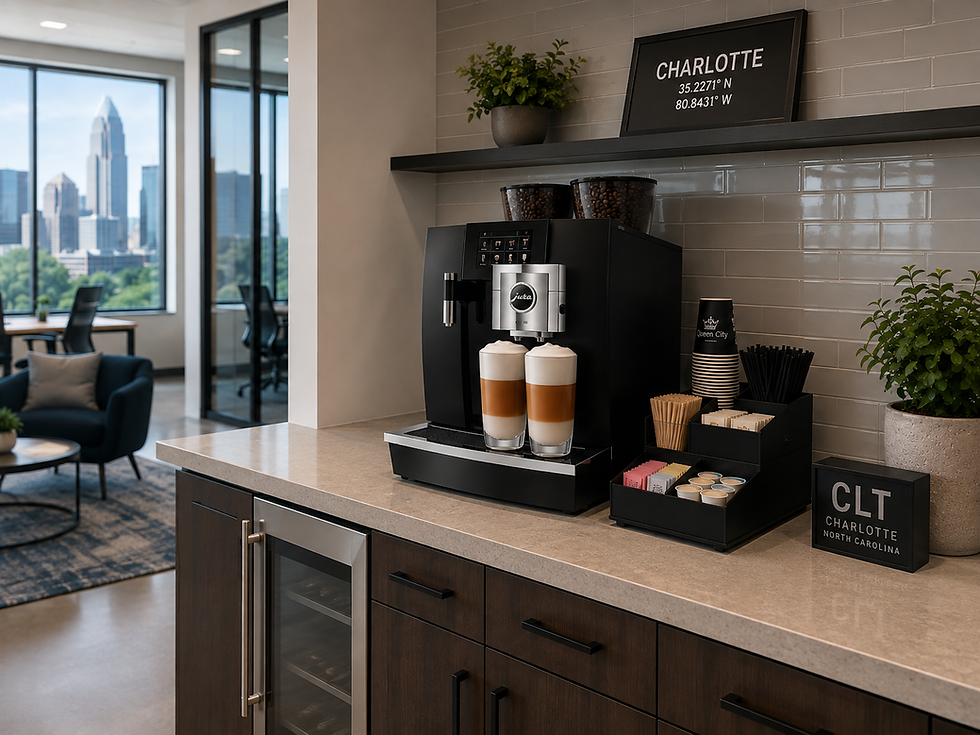
Better coffee makes the break room feel more thoughtful
Coffee quality matters because people notice the difference right away. A stale pot that’s been sitting for hours sends one message. Freshly ground beans, consistent espresso, and a smooth cup send another.
A Jura machine is built around the bean-to-cup experience. That means whole beans are ground for each drink, water moves through the coffee at the programmed strength and volume, and the drink is made on demand rather than held on a warmer. That alone solves one of the biggest break room problems: coffee that tastes worse as the morning goes on.
The reason fresh grinding matters is simple. Coffee loses aroma after it’s ground because more surface area gets exposed to air. That’s not marketing fluff, it’s basic food science. Aromatic compounds in coffee are volatile, which means they fade. Whole beans hold flavor longer than pre-ground coffee, and grinding right before brewing gives each cup a better shot at tasting the way it should.
The Specialty Coffee Association talks about coffee quality in terms of details like grind size, water quality, brew time, and equipment cleanliness. Those details can sound technical, but they show up in the cup. If the grind is uneven, coffee can taste sour or bitter. If the machine is dirty, the flavor goes dull. If water flow is inconsistent, the same drink tastes different day to day.
An automatic machine helps control those variables. It doesn’t turn everyone into a barista, and that’s the point. It gives the team a repeatable cup without making anyone learn a new skill before 9 a.m.
Good coffee also has an emotional effect. It feels considered. Employees don’t need every workplace perk to be flashy. Often, the most appreciated perks are the ones people use every day. Fresh coffee is one of those. It’s visible, practical, and shared.
Think about the difference between these two break room experiences:
A pot of coffee has been sitting since early morning. Nobody knows when it was brewed.
People leave the building or make do with something they don’t like.
The coffee area feels like an afterthought.
Someone presses a button and gets a fresh cup made from whole beans.
People stay nearby, take a short break, and come back with a drink they chose.
The coffee area feels clean, useful, and cared for.
That kind of improvement affects more than caffeine intake. It changes the tone of the day in a small but steady way.
Employee satisfaction is often built from ordinary details. A comfortable chair matters. Clean restrooms matter. Reliable tools matter. So does the quality of the coffee people drink several times a week, or even several times a day.
And because coffee is such a common habit in the U.S., the perk reaches a wide slice of the team. The National Coffee Association has long reported that coffee is one of the most commonly consumed beverages in the country. Not everyone drinks it, of course, so the break room should still offer water, tea, and other options. But for coffee drinkers, a better machine is one of the most noticeable upgrades you can make.
Fresh coffee can support focus, productivity, and morale
Coffee won’t fix poor communication, unrealistic workloads, or bad management. No machine can do that. But it can support a better daily rhythm, and that matters.
Caffeine is the reason most people reach for coffee during the workday. The U.S. Food and Drug Administration says up to 400 milligrams of caffeine a day is not generally associated with dangerous effects for most healthy adults. Individual tolerance varies, so moderation matters. Still, for many people, a cup of coffee can help with alertness, especially during the midmorning dip or early afternoon slowdown.
The bigger productivity benefit may be less about caffeine and more about fewer interruptions.
When coffee in the break room is bad, people tend to leave for better coffee. A quick trip can easily turn into 15 or 20 minutes when you include the walk or drive, waiting in line, chatting, and settling back in. There’s nothing wrong with taking breaks, and people need them. The issue is whether the break refreshes the person or becomes a time sink because the workplace doesn’t offer a decent option.
A Jura machine gives people a good reason to stay close. They can step away, make a drink, reset for a few minutes, and return without turning a coffee break into an errand.
That short pause can help the workday. Research on breaks generally supports the idea that brief periods away from a task can help reduce fatigue and restore attention, especially when the break feels voluntary and pleasant. Coffee adds a simple ritual to that pause: choose a drink, hear the grinder, smell the coffee, take a breath.

There’s also a morale piece that’s easy to underestimate. Shared amenities create small moments of connection. People run into each other while making coffee. They compare drink settings. They recommend a bean blend. They take a few minutes to talk about something other than deadlines.
Those moments aren’t wasted. They help people feel like they belong. Engagement research, including widely cited work from Gallup, has consistently linked stronger workplace engagement with better business outcomes. A coffee machine won’t create engagement by itself, but it can contribute to an environment where people feel considered and connected.
A good machine also gives people more control over their day. That sounds small, but choice matters. Some people want a strong espresso. Others want a longer coffee. Some prefer milk-based drinks. Others stick to black coffee. A machine that can handle different preferences makes the break room more welcoming.
That variety can also reduce the “coffee hierarchy” that sometimes happens when only a few people have access to the good stuff. If one team keeps a private setup while everyone else drinks whatever is available, it can create little pockets of resentment. A shared, reliable machine puts the perk in one accessible place.
Here’s what that can look like in practice:
People start the day with coffee they enjoy instead of settling for stale coffee.
Afternoon energy dips are easier to manage without leaving the building.
Breaks feel more intentional and less rushed.
The break room becomes a natural meeting point, not just a place to grab supplies.
New hires notice that everyday comfort has been thought through.
That’s not a dramatic transformation. It’s a steady improvement, and those are often the ones that last.
All-day convenience beats the old coffee routine
Traditional office coffee can be surprisingly inconvenient.
Someone has to make the pot. Someone has to clean the pot. Someone has to notice when the coffee runs out. Someone has to deal with grounds, filters, spills, and that unpleasant last inch sitting at the bottom. If the office uses scheduled deliveries or a service program, the team still depends on inventory, timing, and whether the setup fits how people actually drink coffee.
Automatic coffee changes the pattern. With a high-quality machine, fresh coffee is available throughout the day, not only when someone remembers to brew it. That’s one of the biggest practical reasons to install a Jura Coffee machine in a break room.
The best workplace perks remove friction. They don’t require a sign-up sheet, a staff reminder, or one person becoming the unofficial coffee manager. A bean-to-cup machine lets people make drinks on demand. It also reduces the common problem of overbrewing, where a full pot gets made “just in case” and half of it ends up tossed.
Convenience shows up in a few specific ways.
People get fresh coffee when they want it
The morning rush isn’t the only coffee moment. Some people start later. Some take their first cup after a long commute. Others want a small espresso after lunch. A machine that makes drinks on demand fits the real shape of the day.
Drink choices are easier to offer
A standard pot of coffee gives everyone the same drink. An automatic machine can usually offer multiple coffee styles, strengths, and sizes. Depending on the setup, it may also support milk-based drinks. That variety matters because offices are built from different routines, tastes, and schedules.
Waste can go down
A traditional pot invites guesswork. Brew too little, and people are annoyed. Brew too much, and coffee gets dumped. Single-serve setups can reduce overbrewing, but they may create packaging waste and can cost more per cup. Whole-bean machines avoid a lot of that tradeoff because they make one fresh drink at a time using beans from a shared hopper.
The break room stays cleaner
No coffee setup is maintenance-free, but automatic machines can reduce some daily mess. There are no paper filters to handle. There’s no glass pot being passed around. Grounds collect in an internal container instead of ending up across the counter. Milk systems still need careful cleaning, but the process is usually clear if the team follows the machine’s prompts.
Coffee quality stays more consistent
With a pot, results depend on whoever brewed it. Did they use enough coffee? Was the water measured correctly? Was the pot clean? With an automatic machine, recipes can be programmed and repeated. That consistency matters in a shared space where many people interact with the same equipment.
Convenience also helps visitors, contractors, and employees from other locations. A clear, button-based machine is less awkward than digging through cabinets or asking who makes the coffee. The break room becomes easier to use for everyone.
For offices that already rely on Office Coffee Services, convenience might be the deciding factor. A delivery program can still provide beans, supplies, or maintenance support, but the machine itself gives the workplace more control over freshness and day-to-day availability.
The best part is that people don’t need to make a big production out of using it. Press a button, get a fresh cup, go back to the day. That’s exactly what an office coffee setup should do.
The cost can make more sense than traditional coffee services
A premium automatic machine can look expensive at first glance. That’s fair. The upfront price is usually higher than a basic brewer or a rental-style setup. But the better question is what the coffee program costs over time.
Traditional coffee costs hide in several places:
Delivery contracts
Single-serve supplies
Disposable cups, stirrers, and add-ons
Wasted brewed coffee
Time spent managing the setup
Paid time lost when people leave for coffee
Service fees for equipment that still produces average coffee
A machine that uses whole beans can give the workplace more control over the per-cup cost. Whole beans are often more economical than individually packaged coffee portions. They also tend to generate less packaging waste. Over a year, that difference can matter, especially in a medium or large workplace.
Here’s a simple way to think about it. Don’t start with the machine price. Start with consumption.
Estimate:
How many people drink coffee at work.
How many cups they drink per day.
How many workdays the office is open each month.
What the current coffee setup costs per cup.
How much coffee gets wasted or thrown away.
How often people leave to buy coffee elsewhere.
Even rough math helps. If 40 people drink one or two cups a day, the office is already running a meaningful coffee program whether it admits it or not. The choice is whether that program is efficient, liked, and easy to manage.
A machine purchase or lease becomes easier to evaluate when you compare it with real current costs rather than the price of a basic brewer sitting on a shelf.
Cost factor | Traditional setup | Automatic bean-to-cup setup |
Coffee freshness | Can decline quickly after brewing | Made fresh by the cup |
Waste | Extra brewed coffee may be dumped | Each drink is made on demand |
Labor | Someone often manages brewing and cleanup | Daily tasks are simpler and more predictable |
Per-cup control | Varies based on service, supplies, and waste | Easier to estimate with whole beans |
Employee experience | Can feel basic or inconsistent | Feels more like a thoughtful perk |
There are still costs to plan for. You’ll need beans, cleaning tablets or supplies, filters if required for your water conditions, milk if the machine supports milk drinks, and occasional service. The machine may also need enough capacity for the number of drinks made each day. Underbuying can create frustration if the machine constantly needs attention or can’t keep up with demand.
Still, the cost-effectiveness case is strong when the office values quality and frequency. If people drink coffee daily, the break room machine won’t sit unused. It becomes part of the workday.
There’s also the retention and satisfaction angle, which is harder to put into a spreadsheet but still real. Workplace perks don’t need to be extravagant to matter. A reliable, high-quality coffee experience is small enough to be practical and visible enough to be appreciated. That’s a good combination.

A little maintenance keeps the coffee tasting great
The machine will only be as good as the care it gets. That’s true for any coffee equipment. Oils build up. Milk residue can spoil. Water minerals can affect taste and performance. Grounds containers fill. Drip trays need emptying.
The good news is that maintenance doesn’t have to be complicated. The key is making it routine instead of waiting until something tastes off.
Start with the basics.
Use good beans
Choose fresh whole beans that fit the team’s taste. Medium roasts are often a safe starting point because they tend to work well for both longer coffees and espresso-style drinks. Very oily beans can sometimes create buildup in automatic machines, so check the machine’s guidance before stocking beans.
If possible, rotate a few options during the first month and pay attention to what people actually drink. The “best” coffee is the one that tastes good, performs well in the machine, and gets used.
Pay attention to water
Water affects flavor and equipment life. Coffee is mostly water, so poor-tasting water makes poor-tasting coffee. Hard water can also create mineral buildup inside the machine.
Use the filtration approach recommended for the machine and your local water conditions. If the machine prompts for filter changes or descaling, don’t ignore it. Those reminders protect both flavor and performance.
Clean the milk system every day if milk is used
Milk-based drinks are popular, but milk systems need careful cleaning. This is the one area where shortcuts can create real problems. Milk residue affects flavor, smell, and hygiene.
If the machine has an automatic milk cleaning cycle, use it as instructed. If parts need rinsing or refrigeration, make that step part of the daily closeout routine. Keep the instructions visible near the machine so nobody has to guess.
Empty the grounds and drip tray before they overflow
This sounds obvious, but it’s one of the most common shared-equipment issues. Grounds containers and drip trays fill faster in busy workplaces. If people only react once the machine stops, the coffee area gets messy and frustrating.
Assign a simple check schedule. For example, the person who opens the break room in the morning checks water and beans. Someone checks the grounds container after lunch. The last person responsible for the area runs the closeout steps.
That doesn’t mean one employee should become the permanent coffee caretaker. Shared equipment works best when tasks are clear, light, and rotated.
Wipe the exterior and cup area daily
Coffee splashes. Milk splashes. Sugar and sweeteners migrate. A quick wipe keeps the machine inviting and helps prevent sticky buildup around the dispensing area.
Use a soft cloth and cleaning products that are safe for the machine surface. Avoid harsh cleaners near parts that touch coffee or water unless the manufacturer recommends them.
Follow the machine prompts
Automatic machines often tell users when they need cleaning, descaling, filter changes, or emptying. Treat those prompts as part of ownership, not as annoyances to dismiss.
Ignoring maintenance usually costs more later. It can lead to poor flavor, slower performance, error messages, or service calls that could have been avoided.
Keep supplies in one place
A coffee setup fails when the beans are in one cabinet, cleaning supplies are in another, filters are missing, and nobody knows who ordered milk. Put everything close to the machine, clearly labeled, and restock before supplies run out.
Useful supplies often include:
Whole beans
Approved cleaning tablets or solution
Water filters if used
Milk cleaning supplies if needed
A soft cleaning cloth
Cups or mugs
Sweeteners and stirrers
A small waste bin nearby
Place a simple care card near the machine. Keep it short. People are more likely to follow a five-step guide than a laminated manual with tiny print.
A simple daily routine might look like this:
Check the bean level.
Check the water level or water connection.
Empty the grounds container if needed.
Empty and rinse the drip tray.
Run milk cleaning at the end of the day if milk drinks are used.
Wipe the machine and surrounding counter.
A weekly routine can include deeper cleaning tasks, checking filters, reviewing supply levels, and making sure the drink settings still match what people like.
This small amount of care protects the investment. More importantly, it protects the experience. The whole point is to offer coffee people enjoy. Clean equipment is the foundation for that.

The right break room upgrade with a Jura coffee maching pays people back every day
A great coffee setup doesn’t need to be complicated. It needs to make fresh coffee easy, keep quality consistent, and fit the way people actually move through the workday.
That’s where a Jura machine fits so well. It gives employees a better cup, makes breaks feel more useful, reduces the need to leave for coffee, and can make more financial sense than many traditional coffee arrangements once daily use and waste are factored in.
The best workplace upgrades are the ones people notice without needing an announcement. Fresh coffee is like that. It’s there on a Monday morning. It’s there after a long meeting. It’s there when someone needs five quiet minutes before getting back to a deadline.
If the current break room coffee gets ignored, complained about, or replaced by daily coffee runs, that’s a sign. The office already has a coffee culture. A better machine simply makes it one people can enjoy.


